

Term One has seen a lot of practical work for Mercedes’ Science students. Science can be very theoretical work, but it can also be a lot of fun when put into action!
Starting off with the gory bits, classes have seen dissections galore. Year 12 Biology classes had the task of dissecting a sheep brain, which bear surprising similarities to human brains, except in terms of size, proportion and desire to eat grass. Students examined the brain’s structures, such as the stringy bits (commissural fibres) which hold the big blobby bits (lobes) of pink goo (grey matter) together.
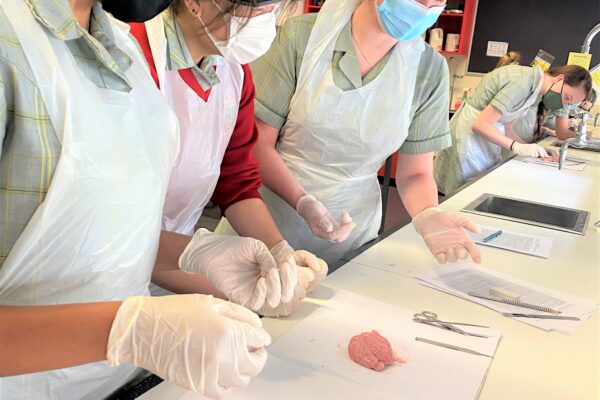
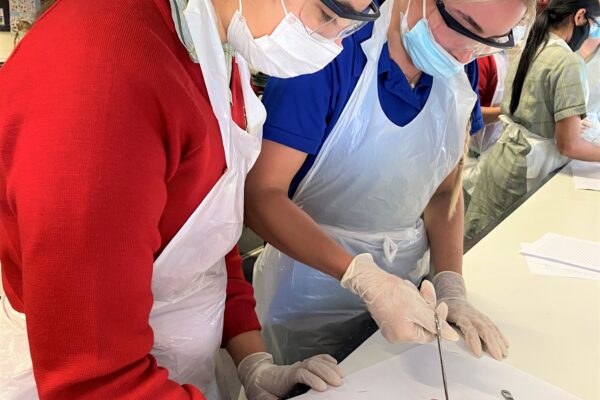
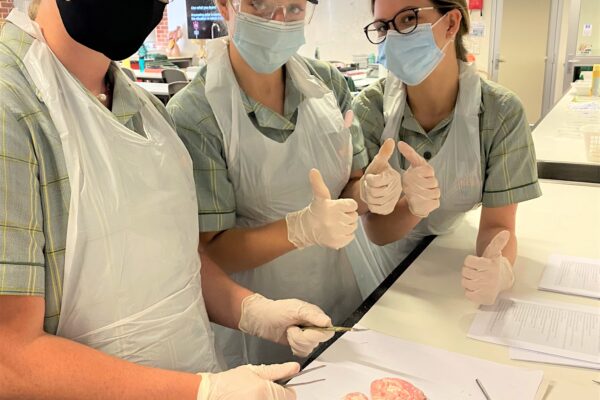
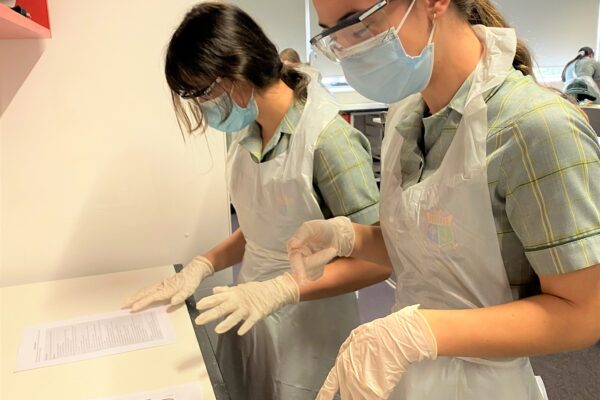
Year 11 ATAR Psychology classes (offered for the first time this year) undertook a similar investigation of the brain. We’ve been assured that this method of treatment is very rarely used in modern psychological treatment, but it’s always good to have the knowledge just in case. Impressively, both classes made it through the complete dissection with zero fainting casualties.
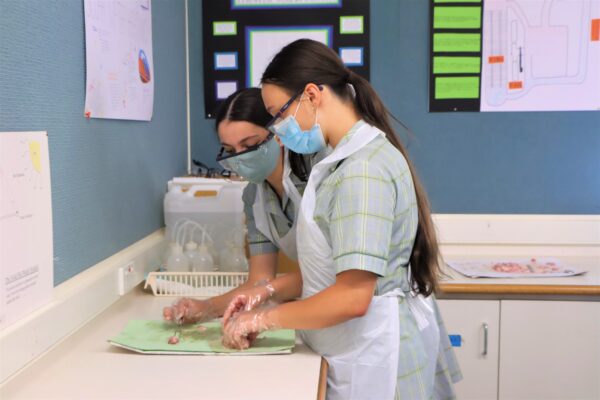
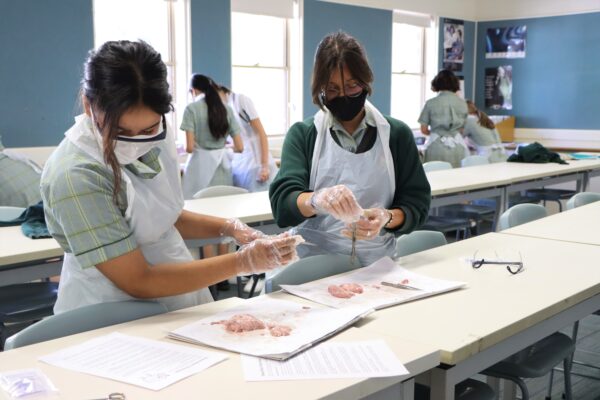
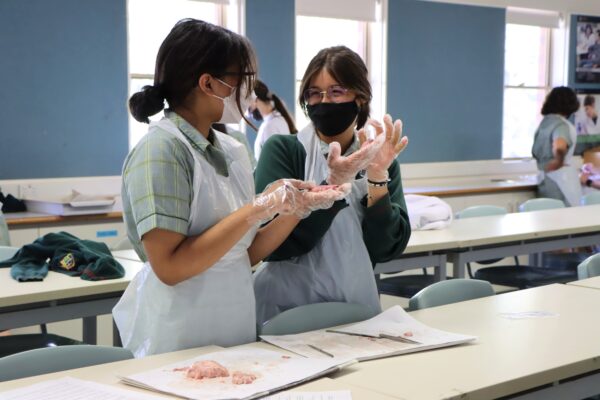
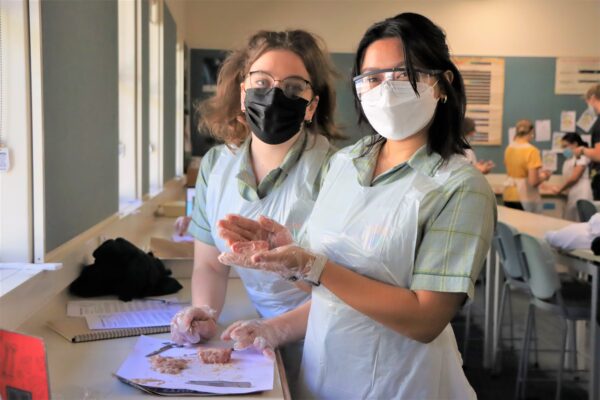
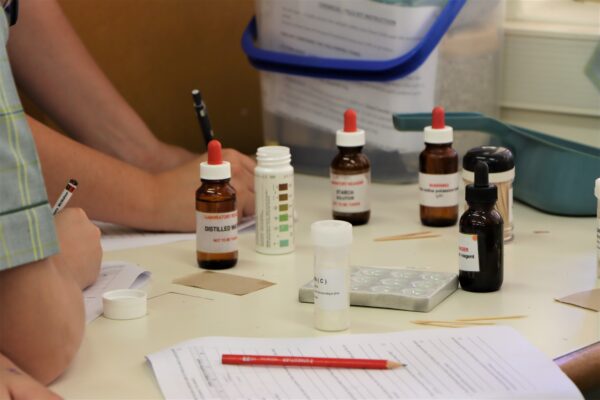
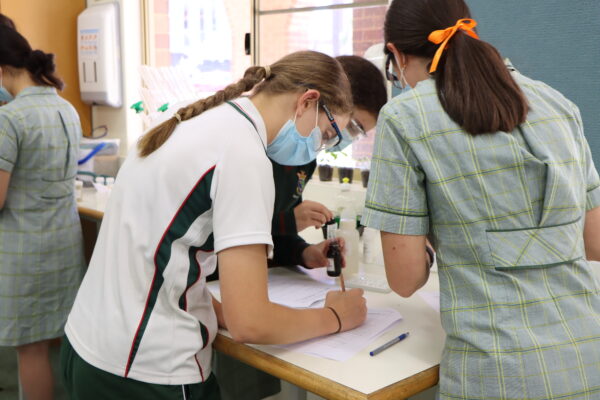
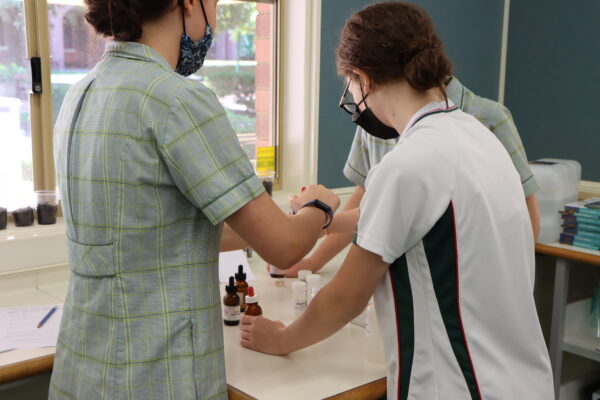
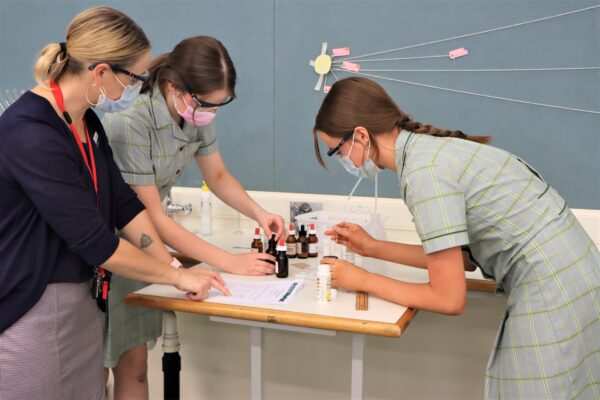
As part of another assessment, the Human Biology students have been learning about nutrient groups. Students learned about these groups’ importance in a balanced diet to ensure our body can function optimally. Students put their knowledge and know-how into practice, with four unknown samples to experiment on. They tested each sample to determine whether they contained glucose, starch, proteins or lipids, as well as answering a series of questions about the role each substance plays in the human body.
Finally, in Year 10, students saw a very “hands-on” practical. In class, they have been learning about Darwin’s Theory of Natural Selection. In theory, populations of a species with certain characteristics may help or hinder their ability to survive. Over time, individuals with beneficial traits survive longer and breed more often, passing these characteristics onto their offspring. Over time, the species adapts and evolves as more individuals bear these favourable traits.
The students applied these “mutations” with a mixture of pop-sticks and masking tape. They competed for food from chocolate eggs on the ground, consuming each egg in their nests before collecting more.
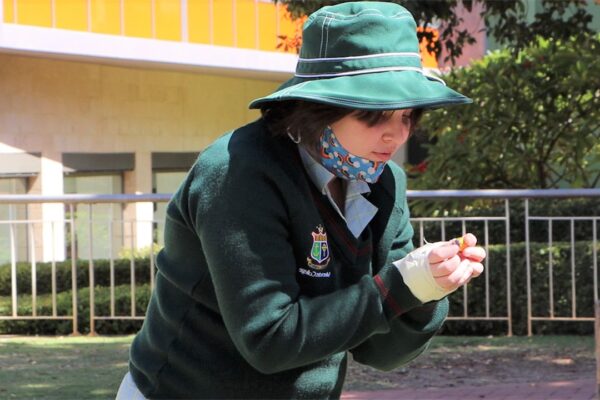
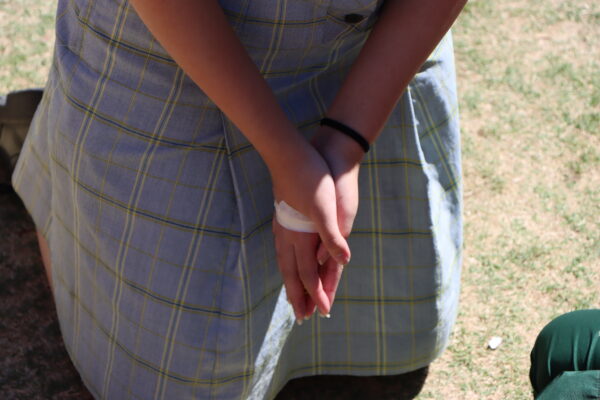
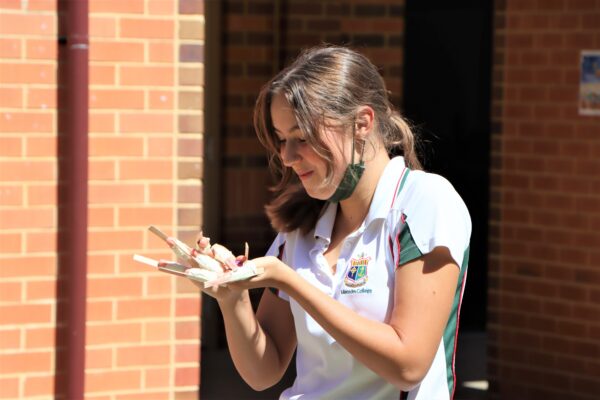
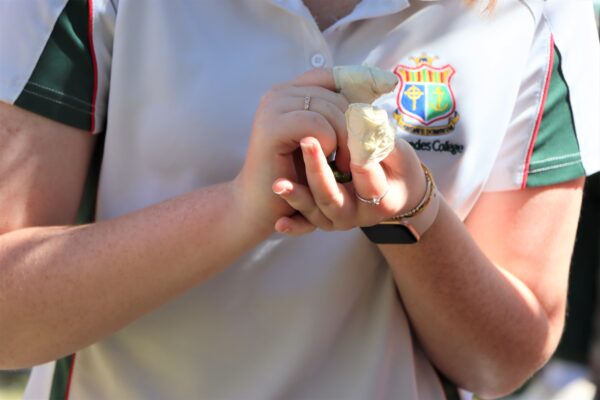
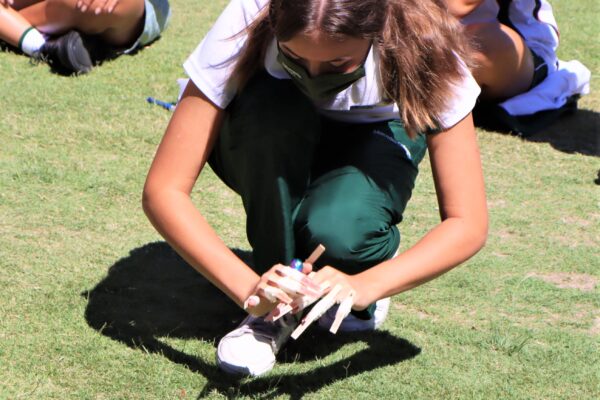
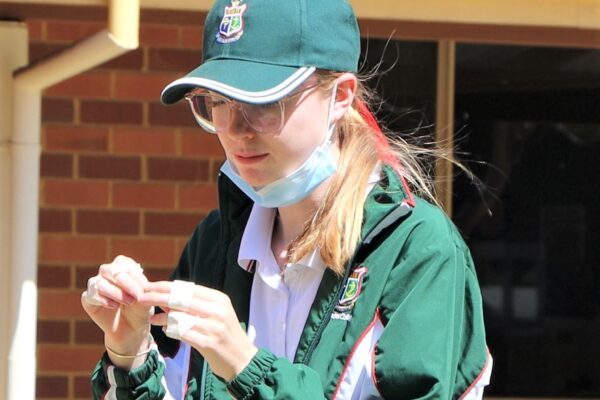
Students then collected the data based on how many eggs had been gathered to determine which of their groups’ mutations had been most beneficial, and therefore which would be the most likely to adapt and survive in such adverse circumstances (mild, sunny days in courtyards scattered with sweets).
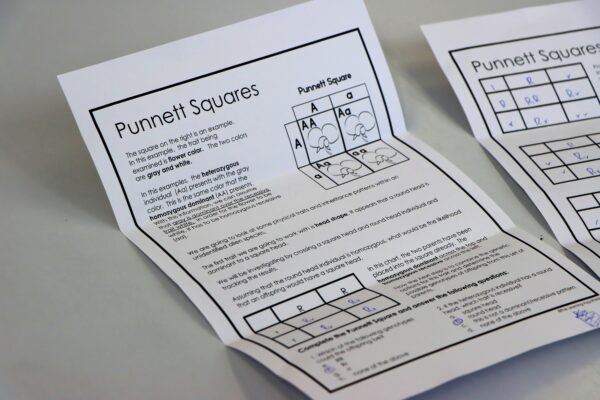
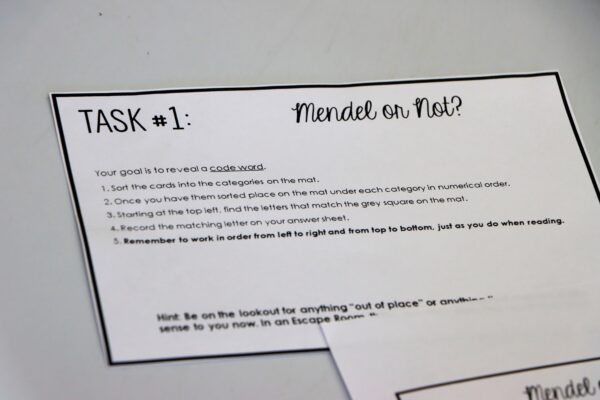
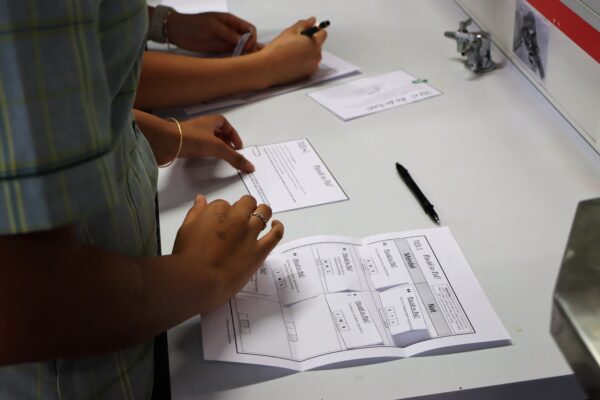
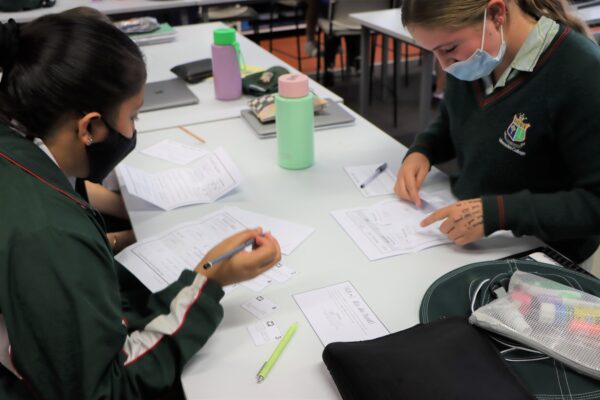
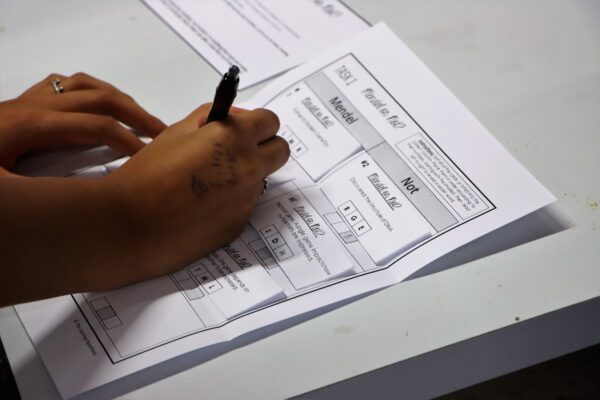
Finally, Biology students were put through the ringer, using their knowledge of DNA, genetics and inheritance to complete a series of puzzles and decipher an encrypted message. Students competed in groups to work through a series of clues and tasks, such as completing Punnett squares, to work out the encryption key and translate the message. Congratulations to all our students, but a special mention to the two winning teams, who received an egg-cellent prize for their hard work!
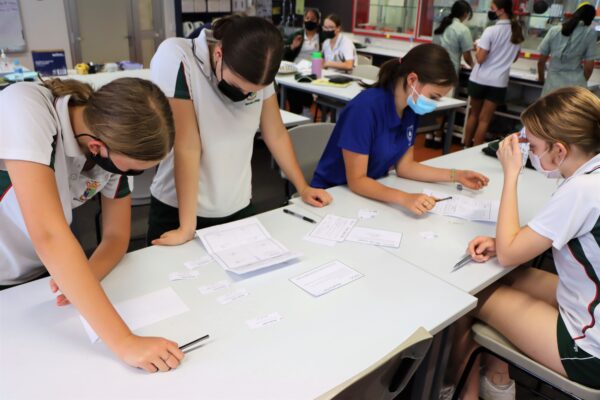
‘We want to foster a sense of curiosity,’ said Head of Learning Area – Science, Aoife O’Shea, ‘By providing opportunities for students to discover the ‘how’ and ‘why’ of science through rich and engaging experiences such as investigation, experiments, interactive demonstrations, dissections, and other practicals in a safe and inclusive environment.’
It has been great to see the students so engaged and active in their learning! Keep up the great work girls!
‘

